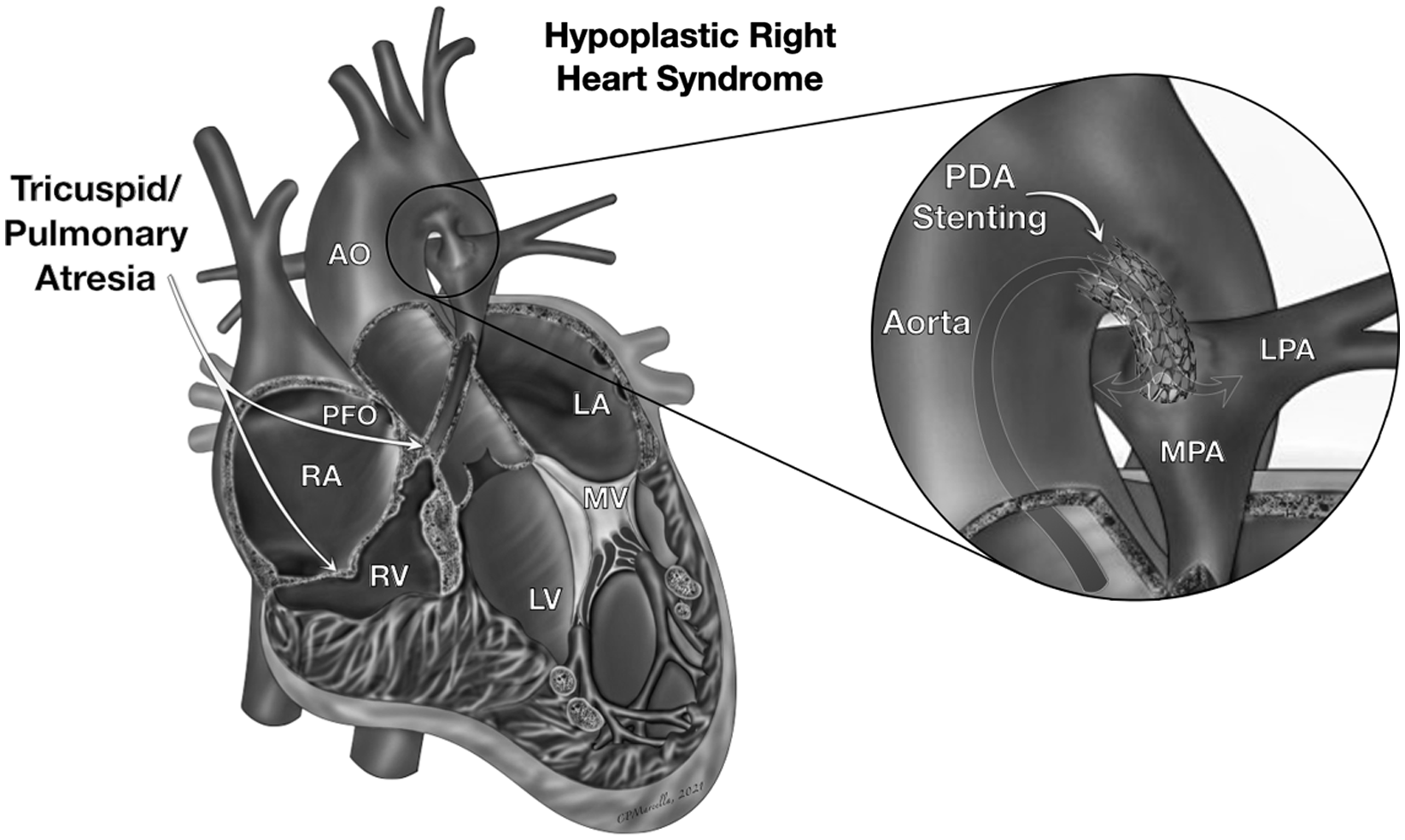
Univentricular Physiology Heart Treatment by Pediatric & Adult Congenital Heart Surgeon
Univentricular Physiology Hearts refer to a group of complex congenital heart defects in which the heart has only one functional pumping chamber (ventricle) instead of two properly functioning ventricles.
In a normal heart:
- The right ventricle pumps oxygen-poor blood to the lungs.
- The left ventricle pumps oxygen-rich blood to the body.
In univentricular heart conditions, one ventricle is underdeveloped or unable to function effectively, causing abnormal blood circulation and reduced oxygen delivery to the body.
These complex congenital heart defects require lifelong care from an experienced Pediatric & Adult Congenital Heart Surgeon.
Types of Univentricular Heart Conditions
Several congenital heart defects fall under univentricular physiology.
Common Conditions Include:
- Hypoplastic Left Heart Syndrome (HLHS)
- Tricuspid Atresia
- Double Inlet Left Ventricle (DILV)
- Pulmonary Atresia with Intact Ventricular Septum
- Unbalanced AV Canal Defect
- Single Ventricle Heart Defects
Causes of Univentricular Physiology Hearts
These defects develop during fetal heart formation before birth. The exact cause is often unknown.
Risk Factors Include:
- Genetic abnormalities
- Chromosomal disorders
- Family history of congenital heart disease
- Maternal diabetes
- Viral infections during pregnancy
- Poor fetal heart development
Symptoms of Univentricular Physiology Hearts
Symptoms usually appear shortly after birth and may vary depending on the specific heart defect.
Common Symptoms in Infants and Children
- Bluish skin or lips (cyanosis)
- Rapid breathing
- Difficulty feeding
- Poor weight gain
- Fatigue
- Sweating during feeding
- Low oxygen levels
- Delayed growth
Symptoms in Adults
Adults with repaired univentricular hearts may experience exercise intolerance, arrhythmias, fatigue, heart failure symptoms, and swelling in the legs or abdomen.
Complications of Untreated Univentricular Heart Disease
Without specialized treatment, these complex heart conditions can lead to severe complications such as:
- Heart failure
- Pulmonary hypertension
- Severe cyanosis
- Stroke
- Arrhythmias
- Organ dysfunction
- Growth and developmental delays
Early diagnosis and staged surgical treatment are essential for survival and improved quality of life.
Diagnosis of Univentricular Physiology Hearts
A specialized Pediatric & Adult Congenital Heart Surgeon uses advanced diagnostic tools to evaluate heart anatomy and function.
Diagnostic Tests Include:
- Echocardiography (2D Echo)
- ECG
- Pulse oximetry
- Chest X-ray
- Cardiac CT scan
- Cardiac MRI
- Cardiac catheterization
Treatment for Univentricular Physiology Hearts
Treatment typically involves staged surgeries designed to improve blood circulation and oxygen delivery.
1. Medical Management
Before surgery, medications may help improve heart function, control fluid buildup, and stabilize oxygen levels.
2. Staged Surgical Procedures
Norwood Procedure
Usually performed during the newborn period for
specific conditions such as HLHS.
Glenn Procedure
Performed during infancy to redirect blood flow to the
lungs.
Fontan Procedure
The final stage surgery that helps separate oxygen-rich
and oxygen-poor blood circulation as much as possible.
The treatment approach depends on the child’s heart anatomy and overall condition.
Fontan Circulation and Long-Term Care
Many patients with univentricular physiology eventually undergo the Fontan procedure, which allows blood from the body to flow directly to the lungs without passing through a pumping ventricle.
Long-Term Monitoring is Important For:
- Heart rhythm problems
- Liver function
- Exercise capacity
- Protein-losing enteropathy
- Fontan circulation complications
Lifelong follow-up with congenital heart specialists is essential.
Pediatric Univentricular Heart Surgery
Children with single ventricle heart defects require highly specialized surgical care from experienced pediatric cardiac surgeons.
Benefits of Early Surgical Treatment:
- Improved oxygen levels
- Better growth and development
- Enhanced survival
- Improved quality of life
Advanced pediatric cardiac surgery and intensive care significantly improve long-term outcomes.
Adult Congenital Single Ventricle Care
Adults who underwent childhood surgeries for univentricular heart disease require lifelong congenital heart follow-up.
Adult congenital heart specialists provide:
- Fontan circulation monitoring
- Arrhythmia management
- Heart failure treatment
- Pregnancy counseling
- Advanced imaging and interventions
Recovery After Surgery
Recovery varies depending on the complexity of the heart defect and staged procedures performed.
Recovery Guidelines:
- Regular follow-up with congenital heart specialists
- Monitoring oxygen levels and heart function
- Heart-healthy nutrition and lifestyle
- Gradual physical activity as advised by the doctor
With proper care, many children and adults can achieve improved quality of life.