Truncus Arteriosus (TA) Treatment by Pediatric
Truncus Arteriosus (TA) is a rare and serious congenital heart defect in which a single large blood vessel arises from the heart instead of two separate arteries — the aorta and the pulmonary artery.
Normally:
- The aorta carries oxygen-rich blood to the body.
- The pulmonary artery carries oxygen-poor blood to the lungs.
In Truncus Arteriosus, only one common artery leaves the heart, causing oxygen-rich and oxygen-poor blood to mix. This leads to excessive blood flow to the lungs, reduced oxygen delivery to the body, and increased strain on the heart.
TA usually occurs along with a Ventricular Septal Defect (VSD), a hole between the lower chambers of the heart.
Truncus Arteriosus requires early diagnosis and specialized surgical treatment by an experienced Pediatric Surgeon.
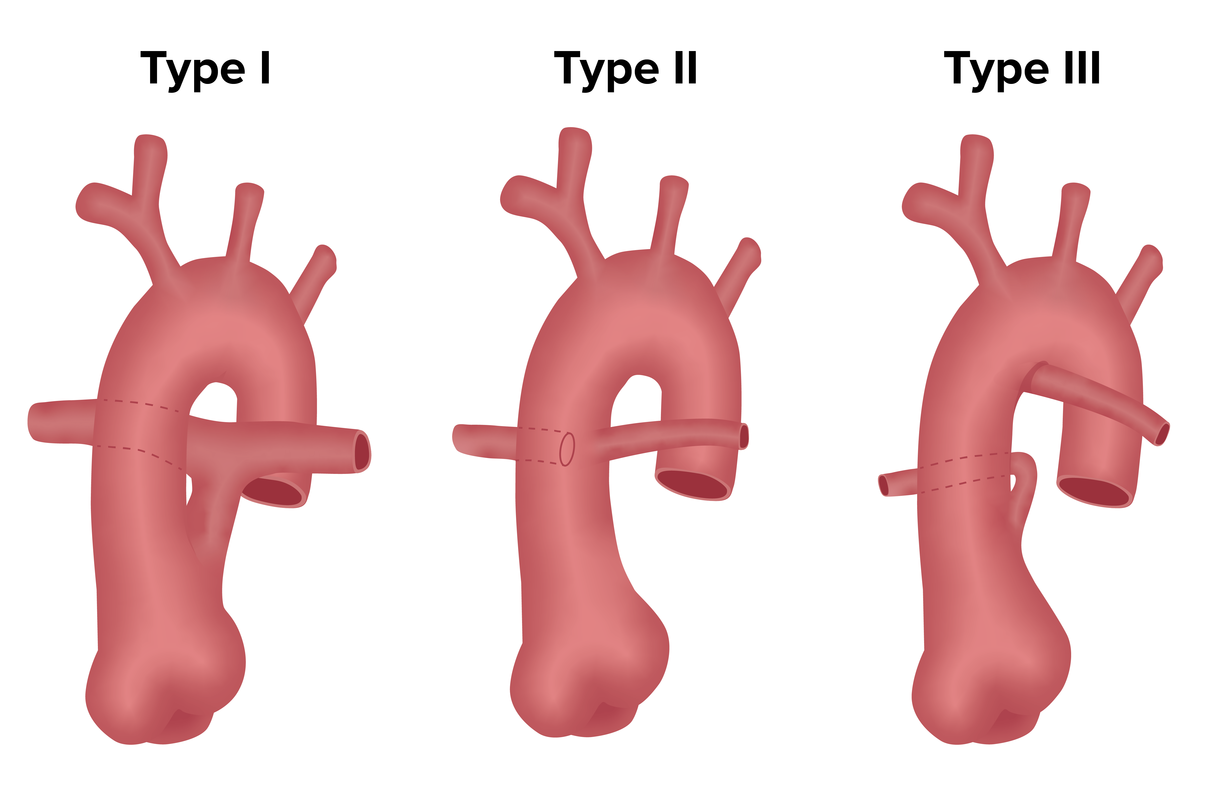
Types of Truncus Arteriosus
TA is classified based on how the pulmonary arteries arise from the common trunk.
- Type 1:
A single pulmonary artery branch arises from the truncus before dividing into right and left pulmonary arteries. - Type 2:
The right and left pulmonary arteries arise separately but close together from the back of the truncus. - Type 3:
The pulmonary arteries arise separately and farther apart from the sides of the truncus.
Causes of Truncus Arteriosus
TA develops during fetal heart formation before birth. The exact cause is often unknown.
Risk Factors Include:
- Genetic abnormalities
- Chromosomal disorders such as DiGeorge syndrome
- Family history of congenital heart disease
- Maternal diabetes
- Viral infections during pregnancy
Symptoms of Truncus Arteriosus
Symptoms usually appear shortly after birth because of excessive blood flow to the lungs and reduced oxygen circulation.
Common Symptoms Include:
- Rapid breathing
- Bluish skin or lips (cyanosis)
- Difficulty feeding
- Poor weight gain
- Fatigue
- Sweating during feeding
- Fast heartbeat
- Signs of heart failure
Without treatment, symptoms worsen rapidly during infancy.
Complications of Untreated TA
If left untreated, Truncus Arteriosus can lead to severe complications such as:
- Congestive heart failure
- Pulmonary hypertension
- Irreversible lung damage
- Severe oxygen deficiency
- Arrhythmias
- Delayed growth and development
- Pulmonary arterial hypertension
Early surgical correction is essential for survival and healthy development.
Diagnosis of Truncus Arteriosus
A specialized Pediatric Surgeon may use advanced cardiac imaging to confirm the diagnosis.
Diagnostic Tests Include:
- Echocardiography (2D Echo)
- ECG
- Chest X-ray
- Pulse oximetry
- Cardiac CT scan
- Cardiac MRI
- Cardiac catheterization
These tests help determine heart anatomy and guide surgical planning.
Treatment Options for Truncus Arteriosus
1. Medical Management
Before surgery, medications may help manage symptoms of heart failure.
Supportive Treatments May Include:
- Diuretics
- Oxygen therapy
- Nutritional support
- Medications to improve heart function
2. Truncus Arteriosus Repair Surgery
Open-heart surgery is the definitive treatment for TA.
Surgical Goals:
- Separate pulmonary circulation from systemic circulation
- Close the ventricular septal defect (VSD)
- Create a connection between the right ventricle and pulmonary arteries using a conduit
- Restore normal blood flow patterns
Surgery is usually performed during early infancy.
Pediatric Truncus Arteriosus Surgery
Early surgery significantly improves survival and long-term heart function.
Benefits of Early Surgical Repair:
- Improved oxygen levels
- Better lung protection
- Reduced heart failure symptoms
- Improved growth and development
- Enhanced quality of life
Advanced pediatric cardiac surgery techniques provide excellent outcomes in many children.
Adult Congenital Truncus Arteriosus Care
Adults who underwent childhood repair may require lifelong congenital heart follow-up.
- Conduit monitoring and replacement
- Valve evaluation
- Arrhythmia management
- Heart failure care
- Long-term congenital heart monitoring
Risks and Complications of Surgery
Like all major congenital heart surgeries, TA repair may involve certain risks.
Possible Risks Include:
- Bleeding
- Infection
- Arrhythmias
- Conduit narrowing or degeneration
- Valve problems
- Pulmonary hypertension
Regular follow-up helps detect and manage complications early.
Recovery After TA Surgery
Recovery depends on the severity of the condition and overall heart function.
Recovery Guidelines:
- Monitoring in pediatric cardiac ICU
- Regular echocardiograms
- Nutritional support
- Gradual activity progression
- Lifelong congenital heart follow-up
Most children recover well after successful surgery and experience improved heart function.