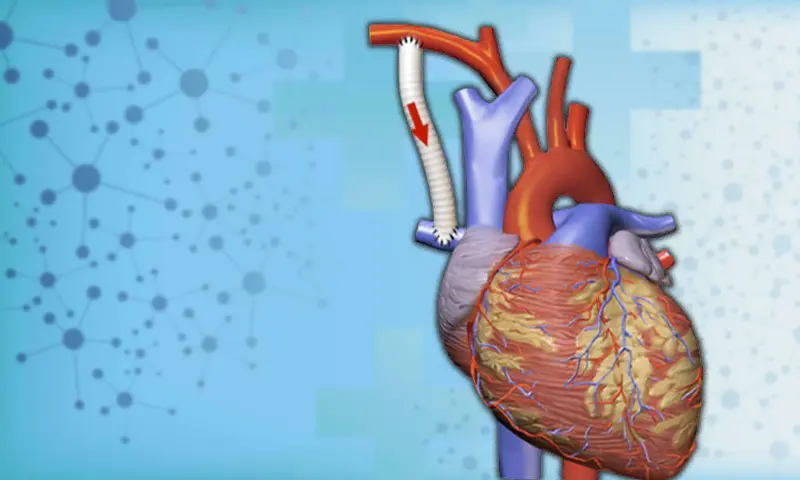
BT Shunt Surgery by Pediatric & Adult Congenital Heart Surgeon
BT Shunt Surgery, also known as the Blalock-Taussig (BT) Shunt, is a palliative heart surgery performed to improve blood flow to the lungs in babies and children born with certain cyanotic congenital heart defects.
In this procedure, a small artificial tube (shunt) is placed between a major artery and the pulmonary artery to increase oxygen-rich blood flow to the lungs. This helps improve oxygen levels in the body and reduces cyanosis (bluish discoloration of the skin).
BT shunt surgery is often performed as a temporary or staged procedure before definitive corrective heart surgery.
Why is BT Shunt Surgery Needed?
Some congenital heart defects reduce blood flow from the heart to the lungs, leading to low oxygen levels in the bloodstream.
BT shunt surgery helps:
- Improve oxygen delivery to the body
- Reduce cyanosis
- Stabilize the child before major corrective surgery
- Support healthy growth and development
Conditions That May Require BT Shunt Surgery
BT shunt surgery may be recommended for babies and children with:
- Tetralogy of Fallot (TOF)
- Pulmonary Atresia
- Tricuspid Atresia
- Single ventricle heart defects
- Complex cyanotic congenital heart disease
- Severe pulmonary stenosis
A specialized Pediatric & Adult Congenital Heart Surgeon evaluates each child carefully to determine the most appropriate treatment plan.
Symptoms That May Indicate the Need for BT Shunt Surgery
Common Symptoms Include:
- Bluish skin, lips, or nails (cyanosis)
- Rapid breathing
- Low oxygen levels
- Difficulty feeding
- Poor weight gain
- Fatigue
- Tet spells or cyanotic episodes
Severe oxygen deficiency in infants often requires urgent medical attention and surgical intervention.
Diagnosis Before BT Shunt Surgery
Advanced cardiac evaluation is performed before surgery to assess heart anatomy and blood flow.
Diagnostic Tests Include:
- Echocardiography (2D Echo)
- ECG
- Chest X-ray
- Pulse oximetry
- Cardiac CT scan
- Cardiac MRI
- Cardiac catheterization
How is BT Shunt Surgery Performed?
BT shunt surgery is performed under general anesthesia by an experienced congenital heart surgeon.
During the Procedure:
- A small artificial tube (graft) is placed between an artery and the pulmonary artery
- The shunt increases blood flow to the lungs
- Oxygen levels improve as more blood reaches the lungs for oxygenation
The surgery may be performed through a chest incision and usually does not require complete heart repair at that stage.
Benefits of BT Shunt Surgery
Advantages of BT Shunt Surgery:
- Improves oxygen levels
- Reduces cyanosis
- Stabilizes the child before corrective surgery
- Promotes better feeding and growth
- Helps improve overall heart and lung function
Risks and Complications
Like any heart surgery, BT shunt surgery carries some risks, especially in critically ill infants.
Possible Risks Include:
- Bleeding
- Infection
- Blood clot formation
- Shunt blockage
- Arrhythmias
- Breathing difficulties
Recovery After BT Shunt Surgery
Most children require close monitoring in the pediatric cardiac ICU after surgery.
Recovery Guidelines:
- Monitoring oxygen levels
- Medications to maintain blood flow through the shunt
- Nutritional support
- Regular echocardiography
- Follow-up with congenital heart specialists
Long-Term Outlook After BT Shunt Surgery
BT shunt surgery is usually part of a staged treatment plan for congenital heart disease.
Long-Term Care May Include:
- Definitive corrective heart surgery
- Additional staged procedures
- Lifelong congenital heart follow-up
- Monitoring heart growth and oxygen levels
Many children go on to achieve improved heart function and quality of life after further treatment.