Ebstein’s Anomaly Treatment by Pediatric & Adult Congenital Heart Surgeon
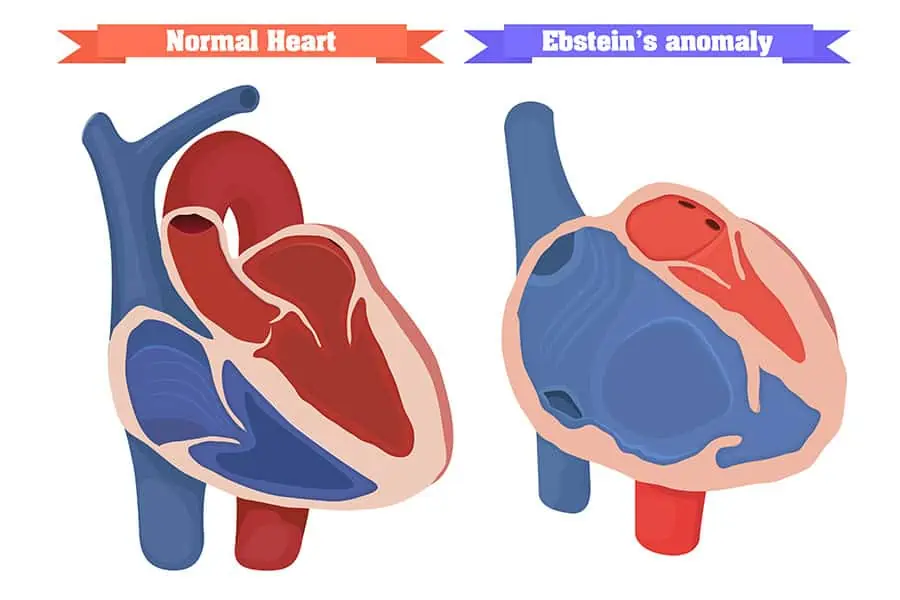
Ebstein’s Anomaly is a rare congenital heart defect that affects the tricuspid valve, the valve located between the right atrium and right ventricle of the heart.
In this condition, the tricuspid valve is abnormally formed and positioned lower than normal inside the right ventricle. This causes the valve to leak (tricuspid regurgitation), leading to enlargement of the right side of the heart and reduced heart function.
Ebstein’s Anomaly can range from mild to severe and may be diagnosed in newborns, children, or adults. Specialized care from a Pediatric & Adult Congenital Heart Surgeon is important for accurate diagnosis and advanced treatment.
Causes of Ebstein’s Anomaly
Ebstein’s Anomaly develops during fetal heart formation before birth. The exact cause is not always known.
Possible Risk Factors Include:
- Genetic abnormalities
- Family history of congenital heart disease
- Certain maternal medications during pregnancy
- Poor fetal heart development
In many cases, no specific cause can be identified.
Associated Heart Conditions
Ebstein’s Anomaly is often associated with other congenital heart abnormalities, including:
- Atrial Septal Defect (ASD)
- Patent Foramen Ovale (PFO)
- Arrhythmias (abnormal heart rhythms)
- Wolff-Parkinson-White (WPW) syndrome
- Right ventricular dysfunction
Symptoms of Ebstein’s Anomaly
Symptoms vary depending on the severity of the valve abnormality and heart function.
Symptoms in Infants and Children
- Bluish discoloration of skin or lips (cyanosis)
- Rapid breathing
- Poor feeding
- Fatigue
- Poor growth
- Heart murmur
Symptoms in Adults
- Shortness of breath
- Fatigue
- Heart palpitations
- Arrhythmias
- Swelling in legs or abdomen
- Reduced exercise tolerance
Complications of Untreated Ebstein’s Anomaly
If left untreated, severe cases can lead to serious complications such as:
- Heart failure
- Severe tricuspid valve leakage
- Arrhythmias
- Cyanosis
- Blood clots
- Sudden cardiac events
Diagnosis of Ebstein’s Anomaly
A specialized Pediatric & Adult Congenital Heart Surgeon may recommend advanced cardiac tests to confirm the diagnosis and assess severity.
Diagnostic Tests Include:
- Echocardiography (2D Echo)
- ECG
- Holter monitoring
- Chest X-ray
- Cardiac MRI
- Cardiac CT scan
- Cardiac catheterization
Treatment Options for Ebstein’s Anomaly
Treatment depends on the severity of symptoms, valve dysfunction, and overall heart health.
1. Medical Management
Mild cases may be managed with medications and regular monitoring.
Medications May Help:
- Control arrhythmias
- Reduce fluid buildup
- Improve heart function
2. Catheter-Based Procedures
Some arrhythmias associated with Ebstein’s Anomaly may be treated using catheter ablation procedures.
3. Ebstein’s Anomaly Surgery
Severe cases often require surgical correction.
Surgical Goals:
- Repair or reconstruct the tricuspid valve
- Improve blood flow through the heart
- Correct associated heart defects
- Restore heart function
In some cases, tricuspid valve replacement may be necessary.
Pediatric Ebstein’s Anomaly Surgery
Infants and children with severe symptoms may require early surgical intervention.
Benefits of Early Treatment:
- Improved oxygen levels
- Better heart function
- Reduced risk of heart failure
- Improved growth and development
Adult Congenital Ebstein’s Anomaly Care
Adults with Ebstein’s Anomaly may require specialized long-term congenital heart care.
Adult congenital heart specialists provide:
- Arrhythmia management
- Valve repair or replacement
- Heart failure treatment
- Exercise and lifestyle guidance
- Lifelong cardiac monitoring
Recovery After Ebstein’s Anomaly Surgery
Recovery depends on the severity of the condition and the type of surgery performed.
Recovery Guidelines:
- Regular cardiac follow-up
- Heart rhythm monitoring
- Gradual return to activities
- Medication management
- Heart-healthy lifestyle
Many patients experience significant improvement in symptoms and quality of life after successful treatment.