Arterial Switch Operation (ASO) by Pediatric
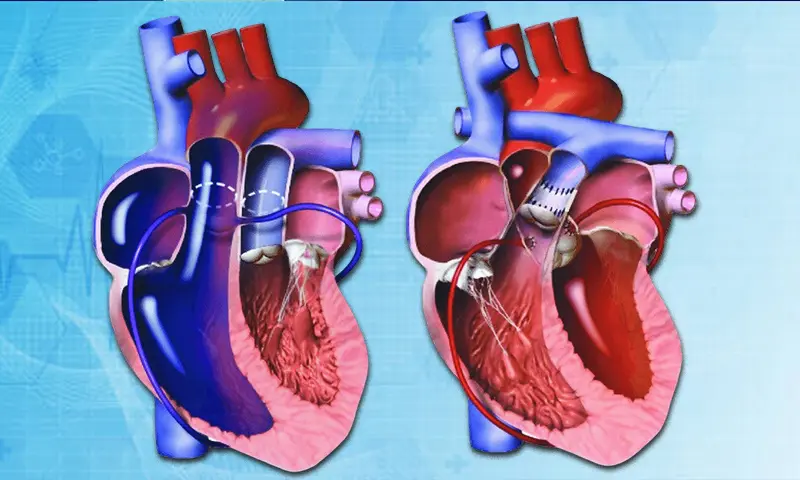
The Arterial Switch Operation (ASO) is a complex open-heart surgery performed to correct Transposition of the Great Arteries (TGA), a serious congenital heart defect present at birth.
In TGA, the two major arteries of the heart are connected incorrectly:
- The aorta arises from the right ventricle
- The pulmonary artery arises from the left ventricle
This abnormal arrangement causes oxygen-poor blood to circulate through the body while oxygen-rich blood repeatedly circulates through the lungs, leading to severe oxygen deficiency.
The Arterial Switch Operation restores normal blood circulation by reconnecting the arteries to their correct positions.
ASO is considered the standard and most effective surgical treatment for TGA.
Conditions Treated with Arterial Switch Operation
ASO is primarily performed for:
- Transposition of the Great Arteries (TGA)
- TGA with Ventricular Septal Defect (VSD)
- Certain forms of Double Outlet Right Ventricle (DORV)
- Complex congenital heart defects involving abnormal great artery connections
A specialized Pediatric carefully evaluates the heart anatomy before planning surgery.
Symptoms of Transposition of the Great Arteries (TGA)
Symptoms usually appear soon after birth because the body does not receive enough oxygen-rich blood.
Common Symptoms Include:
- Bluish skin, lips, or nails (cyanosis)
- Rapid breathing
- Difficulty feeding
- Poor oxygen levels
- Fatigue
- Poor weight gain
- Irritability
- Fatigue while feeding
TGA is a life-threatening condition that requires urgent medical attention and early surgery.
Diagnosis Before Arterial Switch Operation
Advanced cardiac evaluation is essential before surgery.
Diagnostic tests:
- Pediatric echocardiography
- ECG
- Chest X-Ray
- Pulse oximetry
- Cardiac CT Scan
- Cardiac Catheterisation
These tests help determine the severity of the condition and guide surgical planning.
How is Arterial Switch Operation Performed?
The Arterial Switch Operation is performed under general anesthesia by an experienced congenital heart surgeon.
During the Procedure:
- The aorta and pulmonary artery are detached from their abnormal positions
- The arteries are reconnected to the correct ventricles
- The coronary arteries are carefully transferred to the new aorta
- Any associated defects such as VSD may also be repaired
This restores normal blood circulation and oxygen delivery throughout the body.
When is ASO Performed?
The surgery is usually performed during the first few weeks of life, often within the first 1 to 3 weeks after birth.
Early correction helps:
- Prevent heart complications
- Improve oxygen delivery
- Support healthy growth and development
Benefits of Arterial Switch Operation
Advantages of ASO:
- Restores near-normal heart anatomy
- Improves oxygen levels
- Enhances heart function
- Supports healthy growth and development
- Improves long-term survival and quality of life
Modern surgical techniques have significantly improved outcomes for babies with TGA.
Risks and Complications
Like all major heart surgeries, ASO carries certain risks.
Possible Risks Include:
- Bleeding
- Infection
- Arrhythmias
- Coronary artery complications
- Valve problems
- Narrowing of blood vessels
- Need for future interventions
Specialized pediatric cardiac ICU care helps ensure safe recovery and monitoring.
Recovery After Arterial Switch Operation
Most babies require close monitoring in the pediatric cardiac ICU after surgery.
Recovery Guidelines:
- Monitoring oxygen levels and heart function
- Regular echocardiograms
- Nutritional support
- Gradual feeding and activity
- Follow-up with congenital heart specialists
Many children recover well and achieve normal growth and development after successful surgery.
Long-Term Outlook After ASO
The long-term prognosis after successful Arterial Switch Operation is generally excellent.
Long-Term Follow-Up Includes:
- Monitoring heart function
- Coronary artery evaluation
- Valve assessment
- Exercise and developmental monitoring
- Lifelong congenital heart follow-up in some cases
Most children can participate in normal daily activities and lead active lives.