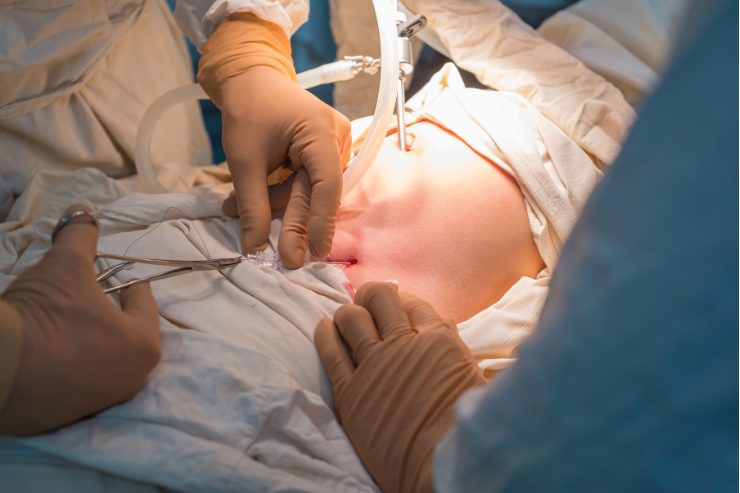
Redo Pediatric Cardiac Surgery
Redo Pediatric Cardiac Surgery, also known as repeat pediatric heart surgery, is a specialized procedure performed when a child requires another operation after undergoing previous heart surgery. Some children with congenital heart disease may develop residual defects, recurrent problems, or complications as they grow, making additional cardiac treatment necessary.
Redo cardiac surgery requires careful assessment, advanced imaging, and experienced pediatric cardiac surgeons who understand the child's previous repair and current heart anatomy.
What Is Redo Pediatric Cardiac Surgery?
Redo pediatric cardiac surgery involves performing a second or subsequent operation to correct a heart problem that remains after an earlier procedure or has developed over time. The need for repeat surgery can occur months or even years after the first operation.
As children grow, their heart and blood vessels also develop. A repair that was effective during infancy may sometimes require revision later. In other cases, a previous repair may develop complications or a new cardiac problem may arise.
Why Do Children Need Repeat Heart Surgery?
There are several reasons why a child may require redo pediatric cardiac surgery, including:
- Residual or recurrent heart defects
- Narrowing of repaired blood vessels
- Heart valve leakage or dysfunction
- Recurrent obstruction of blood flow
- Changes in the heart as the child grows
- Problems with a previous surgical repair
- Postoperative complications
- Progressive heart or valve disease
- Need for further reconstruction or correction
The decision to perform repeat surgery depends on the severity of the problem, symptoms, heart function, and the child's overall health.
Conditions That May Require Redo Cardiac Surgery
Redo surgery may be considered for children who have previously undergone treatment for a variety of congenital heart conditions. These can include Tetralogy of Fallot, coarctation of the aorta, ventricular septal defects, atrial septal defects, pulmonary artery abnormalities, congenital valve problems, and other complex congenital heart diseases.
The appropriate surgical approach varies from child to child and depends on the previous procedure and current cardiac condition.
Evaluation Before Redo Pediatric Cardiac Surgery
Detailed evaluation is particularly important before repeat heart surgery. Previous operations can cause scar tissue and changes in the normal anatomy, so surgeons need a clear understanding of the heart's current structure.
Depending on the child's condition, evaluation may include:
- Echocardiography
- ECG
- Cardiac CT or MRI
- Chest imaging
- Cardiac catheterization when required
- Blood investigations
- Assessment of heart and lung function
The medical team may also review previous surgical reports, imaging studies, and treatment history before developing an individualized surgical plan.
How Is Redo Pediatric Heart Surgery Performed?
The surgical technique depends on the specific cardiac problem. During redo surgery, the surgeon carefully works around scar tissue and structures affected by the previous operation.
Treatment may involve repairing or replacing a heart valve, closing a residual defect, reconstructing blood vessels, relieving an obstruction, or revising an earlier cardiac repair.
A specialized pediatric cardiac anesthesia and intensive care team provides continuous monitoring throughout the procedure and recovery period.
Recovery After Redo Cardiac Surgery
Recovery depends on the child's age, overall health, complexity of the surgery, and the condition being treated. Following the procedure, the child is closely monitored in a pediatric cardiac intensive care unit (PCICU) before moving to a regular hospital room.
Parents are provided with instructions regarding medicines, nutrition, physical activity, wound care, and follow-up appointments. Regular cardiac evaluations help doctors monitor heart function and the child's recovery.
Advanced Care for Complex Pediatric Heart Conditions
Redo pediatric cardiac surgery can be technically challenging because of previous surgery, scar tissue, and changes in cardiac anatomy. A specialized pediatric cardiac center with experienced surgeons, advanced diagnostic imaging, pediatric cardiac anesthesia, intensive care facilities, and multidisciplinary support can help provide comprehensive treatment.
Timely evaluation is important when a child who has previously undergone heart surgery develops symptoms such as breathlessness, excessive tiredness, poor feeding, bluish discoloration, fainting, reduced activity tolerance, or swelling.
With careful planning, specialized expertise, and appropriate follow-up, redo pediatric cardiac surgery can help correct recurrent or residual heart problems and support better long-term heart health and quality of life.