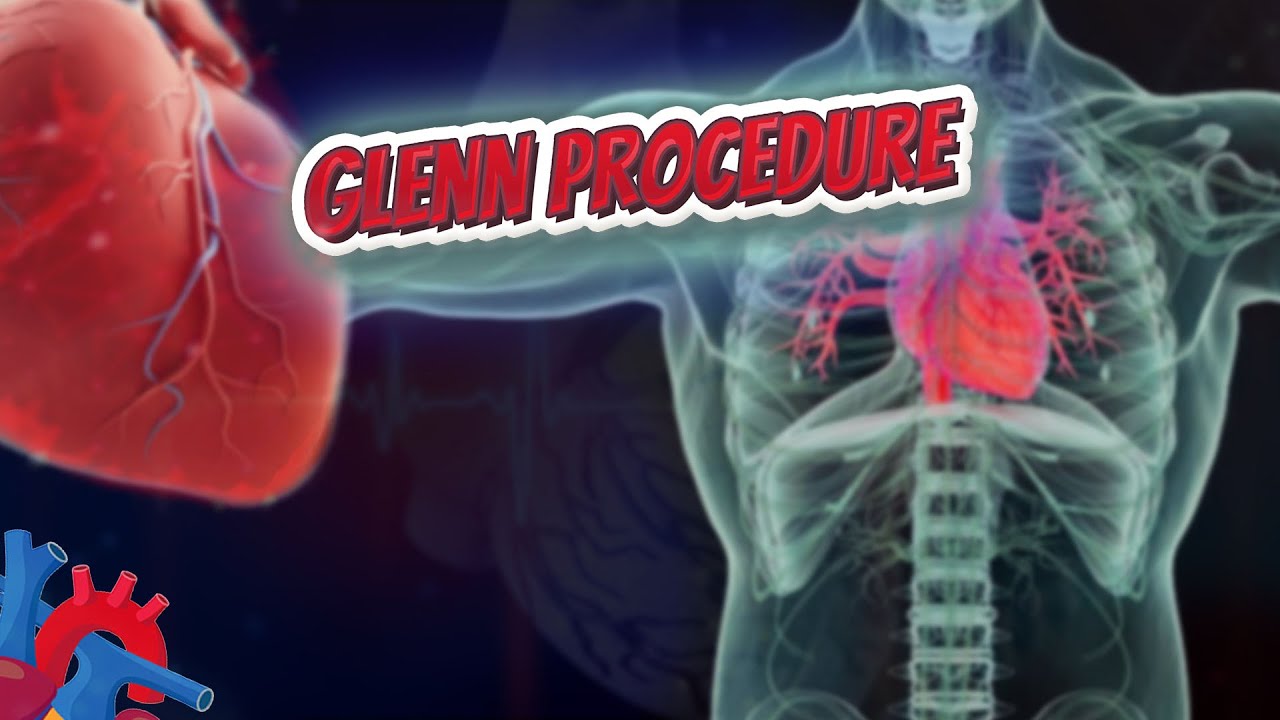
Glenn Surgery by Pediatric & Adult Congenital Heart Surgeon
Glenn Surgery, also known as the Bidirectional Glenn Procedure, is a staged congenital heart surgery performed in children with certain complex single ventricle heart defects.
In this procedure, the superior vena cava (SVC) — the large vein carrying oxygen-poor blood from the upper body — is directly connected to the pulmonary artery. This allows blood to flow directly to the lungs without passing through the heart.
Glenn surgery helps reduce the workload on the single functioning ventricle and improves oxygen levels in the body. It is usually performed as the second stage of treatment before the final Fontan procedure.
Why is Glenn Surgery Needed?
Some congenital heart defects leave the heart with only one effective pumping chamber. In these cases, normal blood circulation is not possible.
Glenn surgery helps:
- Improve oxygen supply to the body
- Reduce strain on the heart
- Improve blood flow to the lungs
- Prepare the child for Fontan surgery
- Enhance growth and development
Conditions That May Require Glenn Surgery
Glenn surgery is commonly performed in children with:
- Hypoplastic Left Heart Syndrome (HLHS)
- Tricuspid Atresia
- Double Inlet Left Ventricle (DILV)
- Pulmonary Atresia
- Unbalanced AV Canal Defect
- Single ventricle heart defects
- Complex cyanotic congenital heart disease
A specialized Pediatric & Adult Congenital Heart Surgeon carefully evaluates each child to determine the appropriate timing and surgical plan.
Symptoms Before Glenn Surgery
Children with single ventricle physiology may experience:
- Bluish skin or lips (cyanosis)
- Rapid breathing
- Poor feeding
- Fatigue
- Low oxygen levels
- Poor weight gain
- Delayed growth
Glenn surgery helps improve oxygen circulation and stabilize heart function.
Diagnosis Before Glenn Surgery
Detailed cardiac evaluation is essential before surgery.
Diagnostic Tests Include:
- Echocardiography (2D Echo)
- ECG
- Chest X-ray
- Pulse oximetry
- Cardiac CT scan
- Cardiac MRI
- Cardiac catheterization
These tests help assess pulmonary artery size, heart function, and suitability for surgery.
How is Glenn Surgery Performed?
Glenn surgery is performed under general anesthesia by an experienced congenital heart surgeon.
During the Procedure:
- The superior vena cava (SVC) is disconnected from the heart
- The SVC is connected directly to the pulmonary artery
- Oxygen-poor blood from the upper body flows directly into the lungs
This reduces the amount of work required from the single ventricle and improves oxygenation.
Benefits of Glenn Surgery
Advantages of Glenn Procedure:
- Improved oxygen levels
- Reduced cyanosis
- Lower workload on the heart
- Better energy and feeding
- Improved growth and development
- Preparation for Fontan completion
Risks and Complications
Like all congenital heart surgeries, Glenn surgery carries some risks.
Possible Risks Include:
- Bleeding
- Infection
- Pleural effusion (fluid around the lungs)
- Arrhythmias
- Blood clots
- Low oxygen levels
- Pulmonary complications
Specialized pediatric cardiac ICU care helps manage and reduce complications.
Recovery After Glenn Surgery
Most children recover gradually with close monitoring and follow-up care.
Recovery Guidelines:
- Monitoring oxygen saturation
- Nutritional support
- Medications if required
- Regular echocardiograms
- Gradual return to activities
Children often experience improved breathing and energy levels after recovery.
Long-Term Outlook After Glenn Surgery
Glenn surgery is generally part of a staged surgical plan leading to the Fontan procedure.
Long-Term Care Includes:
- Lifelong congenital heart follow-up
- Monitoring heart function
- Evaluation for Fontan surgery
- Arrhythmia management
- Exercise and developmental monitoring
With proper treatment and follow-up, many children achieve improved quality of life.
Glenn Surgery vs Fontan Procedure
Glenn Surgery
Usually performed during infancy
Redirects blood from the upper body to the lungs
Fontan Procedure
Final staged surgery
Redirects blood from the lower body to the lungs
Both procedures are important parts of single ventricle heart treatment.