Tetralogy of Fallot (TOF) Treatment by Pediatric Congenital Heart Surgeon
Tetralogy of Fallot (TOF) is a complex congenital heart defect that consists of four structural abnormalities in the heart. These defects affect normal blood flow and reduce the amount of oxygen reaching the body, often causing a bluish discoloration of the skin known as cyanosis.
Tetralogy of Fallot is one of the most common cyanotic congenital heart diseases and usually requires surgical correction during infancy or early childhood.
A specialized Pediatric Congenital Heart Surgeon provides advanced diagnosis, surgical repair, and long-term care for children with TOF.
The Four Defects in Tetralogy of Fallot
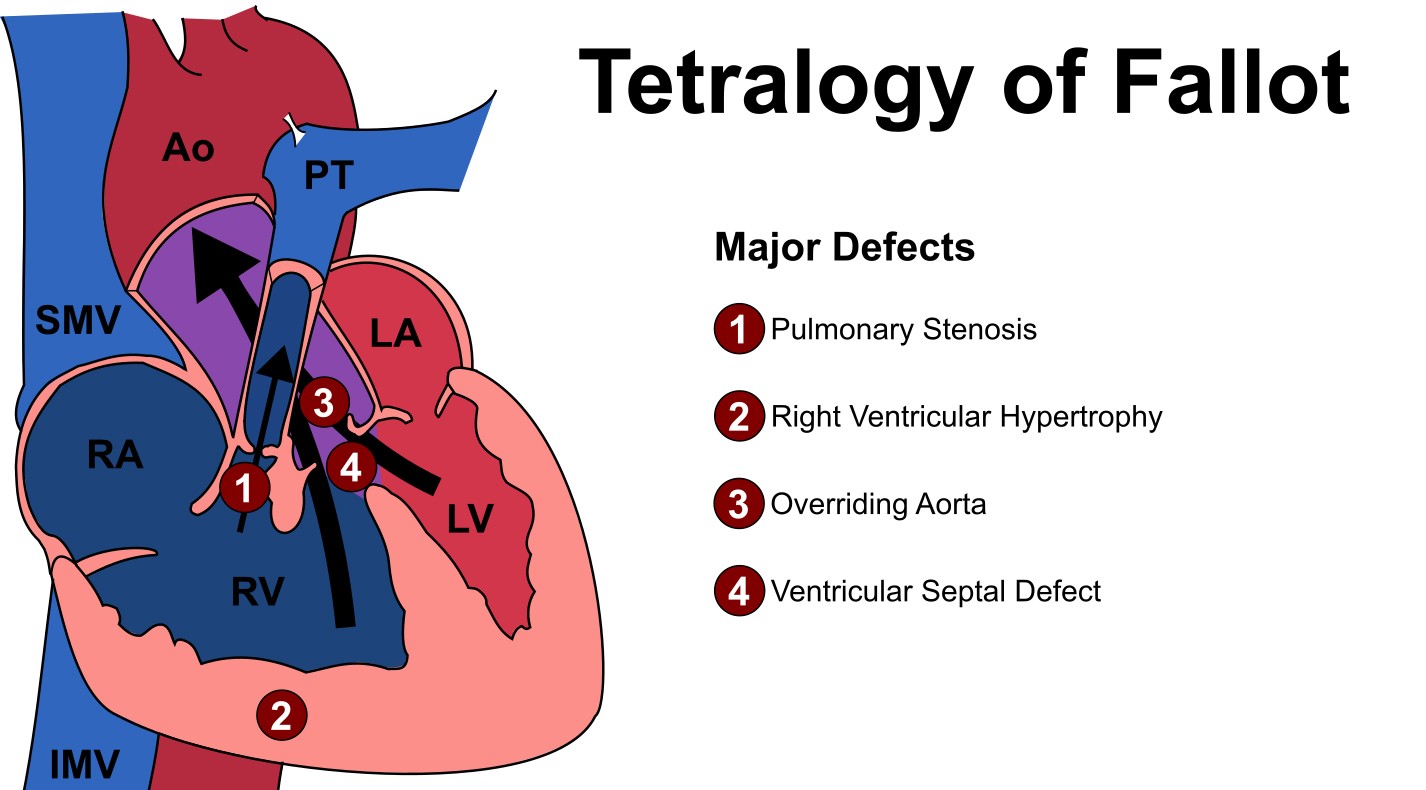
TOF includes the following four heart abnormalities:
- Ventricular Septal Defect (VSD)
A hole between the two lower chambers of the heart. - Pulmonary Stenosis
Narrowing of the pulmonary valve or pulmonary artery, restricting blood flow to the lungs. - Overriding Aorta
The aorta is positioned above the ventricular septal defect instead of arising solely from the left ventricle. - Right Ventricular Hypertrophy
Thickening of the right ventricular muscle due to increased workload.
These defects together reduce oxygen levels in the bloodstream.
Causes of Tetralogy of Fallot
TOF develops during fetal heart formation before birth. The exact cause is often unknown.
Risk Factors Include:
- Genetic syndromes
- Family history of congenital heart disease
- Maternal diabetes
- Viral infections during pregnancy
- Poor maternal nutrition
- Alcohol or smoking during pregnancy
Symptoms of Tetralogy of Fallot
Symptoms may appear shortly after birth or during infancy.
Common Symptoms Include:
- Bluish skin, lips, or nails (cyanosis)
- Rapid breathing
- Difficulty feeding
- Poor weight gain
- Fatigue during feeding or activity
- Heart murmur
- Irritability
- Fainting episodes
Tet Spells (Hypercyanotic Spells)
Some babies experience sudden episodes of severe cyanosis, rapid breathing, and irritability called Tet spells, which require urgent medical attention.
Complications of Untreated TOF
Without timely treatment, Tetralogy of Fallot can lead to serious complications such as:
- Severe oxygen deficiency
- Delayed growth and development
- Stroke
- Brain abscess
- Arrhythmias
- Heart failure
- Sudden cardiac death
Early diagnosis and corrective surgery are essential for long-term survival and quality of life.
Diagnosis of Tetralogy of Fallot
A specialized Pediatric Congenital Heart Surgeon may recommend advanced cardiac tests to confirm the diagnosis.
Diagnostic Tests Include:
- Echocardiography (2D Echo)
- ECG
- Chest X-ray
- Cardiac CT scan
- Cardiac MRI
- Cardiac catheterization
- Pulse oximetry
These tests help assess the severity of the defect and guide surgical planning.
Treatment Options for Tetralogy of Fallot
- Medical Management
Before surgery, medications and supportive care may help stabilize symptoms and improve oxygen levels.
Supportive Treatments May Include:- Oxygen therapy
- Medications for Tet spells
- Nutritional support
- IV fluids
- TOF Corrective Surgery
Open-heart surgery is the definitive treatment for Tetralogy of Fallot.
Surgical Goals:- Close the ventricular septal defect (VSD)
- Relieve pulmonary obstruction
- Improve blood flow to the lungs
- Restore normal oxygen circulation
Pediatric Tetralogy of Fallot Surgery
Early surgical correction significantly improves survival and long-term heart function.
Benefits of Early TOF Repair:
- Improved oxygen levels
- Better growth and development
- Reduced risk of complications
- Enhanced quality of life
Pediatric congenital heart surgeons use advanced surgical techniques for safe and effective repair.
Regular monitoring helps maintain long-term heart health.
Recovery After TOF Surgery
Recovery depends on the severity of the condition and the child’s overall health.
Recovery Guidelines:
- Follow-up echocardiograms
- Heart rhythm monitoring
- Gradual return to physical activity
- Heart-healthy lifestyle
- Lifelong congenital heart follow-up
Most children recover well and lead active, healthy lives after successful surgery.